Herbal monograph
Fennel
Foeniculum vulgare Mill.
By The Editor, Your Wellness Broker
Last reviewed October 13, 2026
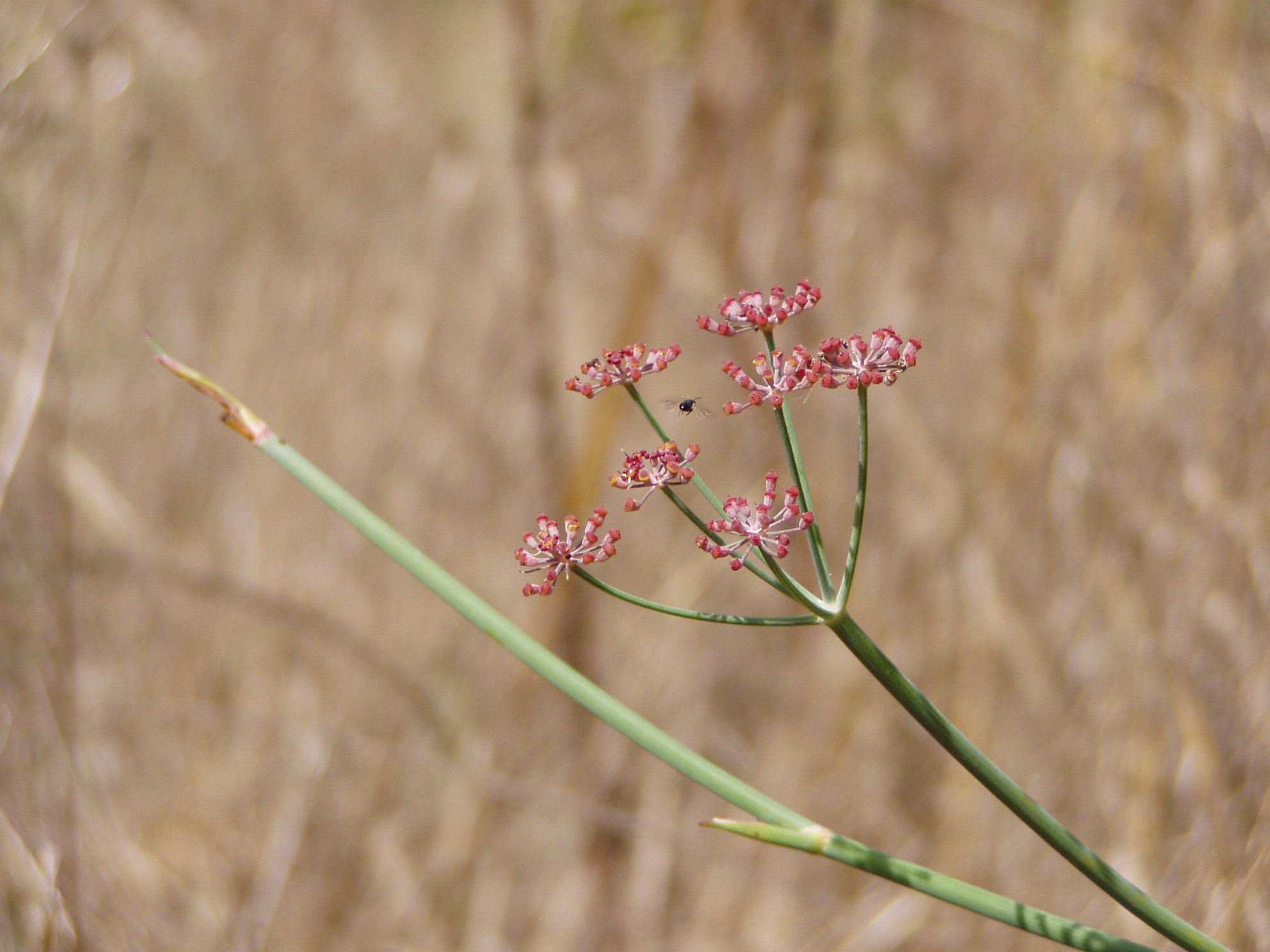
What is Fennel commonly used for?
Fennel is a warming aromatic traditionally used in digestive-comfort contexts; defined sweet-fennel fruit preparations also have recognized European traditional-use indications.
- Also known as
- sweet fennel, fennel seed
- Plant family
- Apiaceae
- Parts used
- fruit (commonly called seed)
Traditional uses
Herbalist profile
- Taste: sweet, aromatic, mildly pungent
- Western herbal energetics: warming and drying
- Traditional actions: carminative, antispasmodic, aromatic, mild expectorant
- Primary affinities: digestive and respiratory systems
Herbalist interpretation
Fennel is a sweet aromatic seed spice with a classic carminative and antispasmodic profile. In Western materia medica, its warming, drying aromatic character makes it a useful comparison herb for both cooling peppermint and hotter, more stimulating ginger.
Traditional context
Fennel fruit has a long culinary and herbal history around the Mediterranean and beyond. The dried fruit—commonly called the seed—is often crushed shortly before infusion so its volatile aromatic constituents are better represented in the tea.
Comparison snapshot
- Fennel vs peppermint: both are aromatic digestive herbs. Fennel is warmer, sweeter and seed-centred, while peppermint is a cooling leaf herb with an important distinction between leaf tea and concentrated peppermint oil.
- Fennel vs ginger: both are warming digestive aromatics, but fennel is gentler and sweeter, with a strong carminative/antispasmodic identity; ginger is more pungent and stimulating, with stronger circulatory associations in traditional materia medica.
These comparisons describe traditional materia-medica differences, not treatment claims.
Evidence and current research
Evidence is best read through the exact preparation and use. The European Medicines Agency recognizes sweet fennel fruit as a traditional herbal medicinal product for defined uses including mild spasmodic gastrointestinal complaints with bloating and flatulence, minor menstrual spasm, and as an expectorant in cough associated with colds. Those conclusions are based on long-standing traditional use rather than a broad claim that fennel has been clinically proven for every digestive or respiratory complaint.
Modern research is smaller and more heterogeneous than the long history of use, so culinary fennel, crushed-fruit tea, powdered products and fennel essential oil should not be treated as interchangeable evidence categories.
Common preparations
Preparation changes the herb
- Crushed-fruit infusion: the classic aromatic preparation; crushing the dried fruit shortly before steeping helps expose the volatile oils.
- Powder or capsule: a more concentrated, product-specific form than an ordinary culinary amount.
- Culinary use: whole or ground fennel fruit can function as a food spice and should not automatically inherit medicinal-dose claims.
- Essential oil: a highly concentrated preparation with separate dosing and safety considerations; it is not equivalent to fennel tea.
The plant part and concentration matter: fennel fruit/seed and fennel essential oil should be discussed as distinct preparations.
Safety and precautions
Useful cautions and contraindications: fennel can cause allergic reactions, particularly in people sensitive to plants in the Apiaceae family. Medicinal-dose use in pregnancy, breastfeeding and children should follow product-specific guidance rather than assuming that ordinary food use and concentrated preparations are equivalent. Fennel essential oil is substantially more concentrated than tea or culinary fennel and requires its own safety review.
Known interactions
Interaction review: there is not a strong basis for presenting a long universal interaction list for ordinary fennel tea or food use. With concentrated products or essential oil, review the exact formulation, medicines, pregnancy status and relevant health conditions. Treat theoretical hormone-related or medication-interaction concerns as review points rather than established effects unless the specific product has supporting evidence.
When to talk to a professional
Speak with a qualified healthcare provider before using Fennel if you are pregnant or breastfeeding, taking medications, managing a health condition, preparing for surgery, or considering it for a child. This page is educational and is not medical advice.
References
- Herbal Academy. How To Formulate A Gut-Nourishing Herbal Tea Blend — fennel actions and warming/drying energetics. Link
- Herbal Academy. After-Dinner Tea Recipe: Chamomile, Fennel, and Orange — traditional carminative context. Link
- European Medicines Agency (HMPC). Foeniculi dulcis fructus — European Union herbal monograph, Revision 1. Link
- Michael Moore. Herbal Materia Medica, 5th ed., Southwest School of Botanical Medicine — preparation reference. Link
- Your Wellness Broker. Your Herbal Study, Chapter 23: Core Herb Monographs.
- Your Wellness Broker. Top 20 Herbal Remedies in the Modern Age.
Related herbs
- ChamomileMatricaria chamomilla L. / Matricaria recutita L.
- GingerZingiber officinale Roscoe
- PeppermintMentha x piperita L.