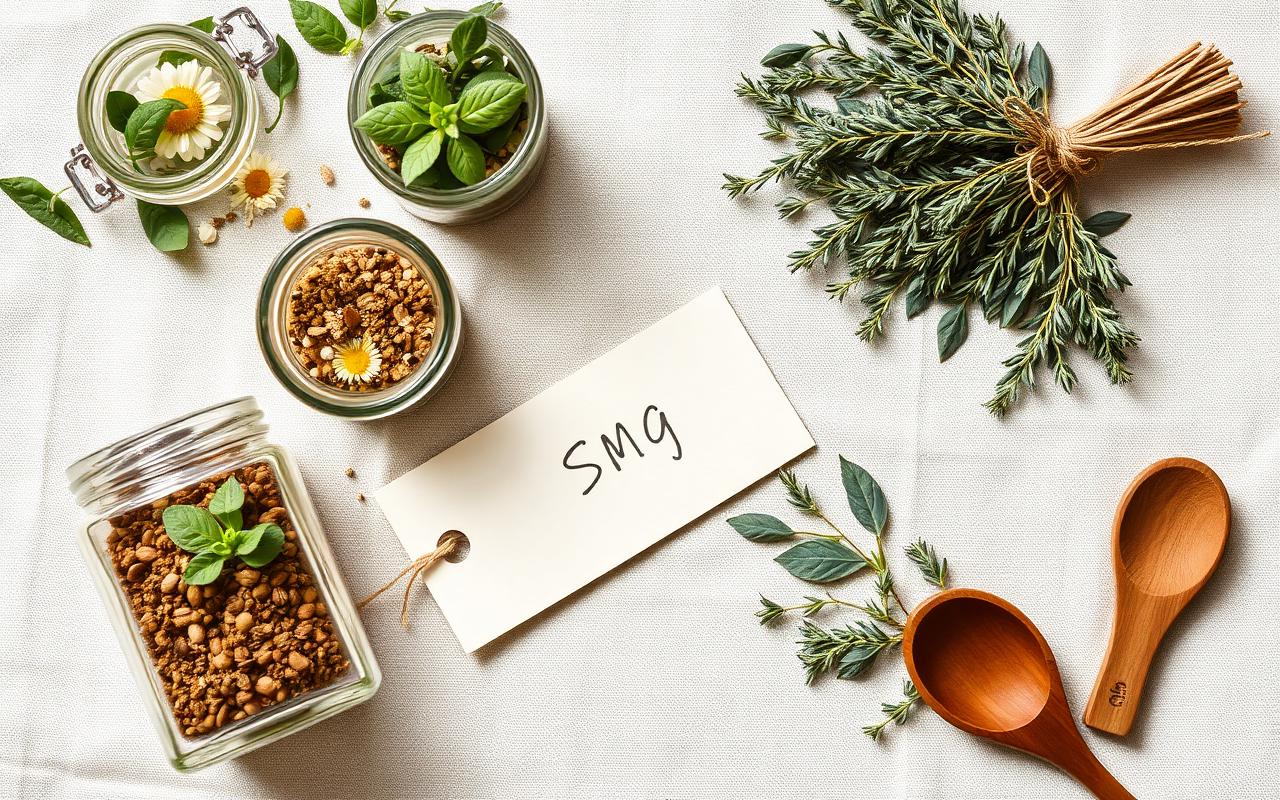
Herbs 101: Learning Before Using
Herbs deserve respect. Before they belong in your daily life, they deserve a little of your attention.
Herbs have been part of daily life for as long as people have kept kitchens and gardens. Long before they were trendy, they were ordinary. A cup of tea after dinner. A handful of mint in the summer. A poultice from the garden when something stung.
What's changed isn't the herbs. What's changed is the noise around them. Today you can buy almost any herb online, in almost any form, with almost any claim attached. That's why learning before using matters more than ever.
Why "learning first" is the rule
Herbs are not gentle simply because they're natural. Some interact with medications. Some aren't suitable in pregnancy. Some are wonderful for short-term use but not for daily use. Some are sold in forms or strengths that make them very different from the plant they came from.
Treating herbs with the same respect you'd give any other tool — by understanding what they're for, how they're used, and where their limits are — is the difference between confident use and guesswork.
A simple framework before you try anything new
Before bringing a new herb into your routine, walk through these questions:
- What is it traditionally used for? Look at how it's been used over time, not just what one website claims.
- What part of the plant is being used? Leaf, root, flower, and bark can behave very differently.
- In what form? Tea, tincture, capsule, powder, topical — same plant, different applications.
- How much, and how often? Dose and frequency matter. More is rarely better.
- Are there cautions? Pregnancy, breastfeeding, medications, existing conditions, and age all matter.
- Who is selling it, and what are they claiming? Honest sellers describe what a herb is and how it's traditionally used. They don't promise cures.
If you can't answer those questions, that's not a failure. It's a signal to learn more before using.
Common-sense safety
A few habits make herbal use much safer:
- Start with one herb at a time so you know how your body responds.
- Begin with the lower end of a recommended amount.
- Keep a simple note of what you tried and how it felt.
- Pause if anything feels off, and talk to a qualified provider if you're unsure.
- Always tell your healthcare provider about any herbs or supplements you're using, especially before surgery or when starting new medications.
These aren't rules of caution because herbs are dangerous. They're rules of respect because herbs are real.
Where to start
If you're brand new, start where most people start: in the kitchen.
- Culinary herbs like rosemary, thyme, basil, parsley, sage, and oregano are familiar and easy to use.
- Simple teas like chamomile, peppermint, ginger, and lemon balm are gentle, common, and well-studied.
- Warm beverages are a quiet, daily way to build a relationship with herbs without needing a cabinet full of bottles.
Spend a few months here before you go further. You'll learn more about how your body responds in a season of tea than in a year of reading.
What herbs are not
Herbs are not a replacement for medical care. They don't cure, treat, prevent, or diagnose disease. Anyone telling you otherwise is selling something, not teaching you.
Herbs are a long, beautiful tradition of supporting daily wellness — rest, digestion, comfort, routine, ritual. Held in that frame, they're trustworthy. Stretched beyond it, they become a problem.
Practical takeaways
- Learn before you use. Always.
- Start in the kitchen, not the supplement aisle.
- One herb at a time, lower amounts to start.
- Tell your healthcare provider what you're using.
- Be skeptical of any source promising cures or miracles.
A note on care
This article is educational and isn't medical advice. If you're pregnant, breastfeeding, taking medications, managing a health condition, or working with a child, talk to a qualified healthcare provider before adding any new herb to your routine.
Continue learning
When you're ready to explore specific products responsibly, the Fullscript Dispensary is one option for accessing professional-grade options. You can also keep building your foundation in the Learn section.
Disclaimer: Your Wellness Broker provides educational information, wellness resources, and curated product access. We do not diagnose, prescribe, or provide medical treatment. Consult a qualified healthcare provider before starting new supplements.