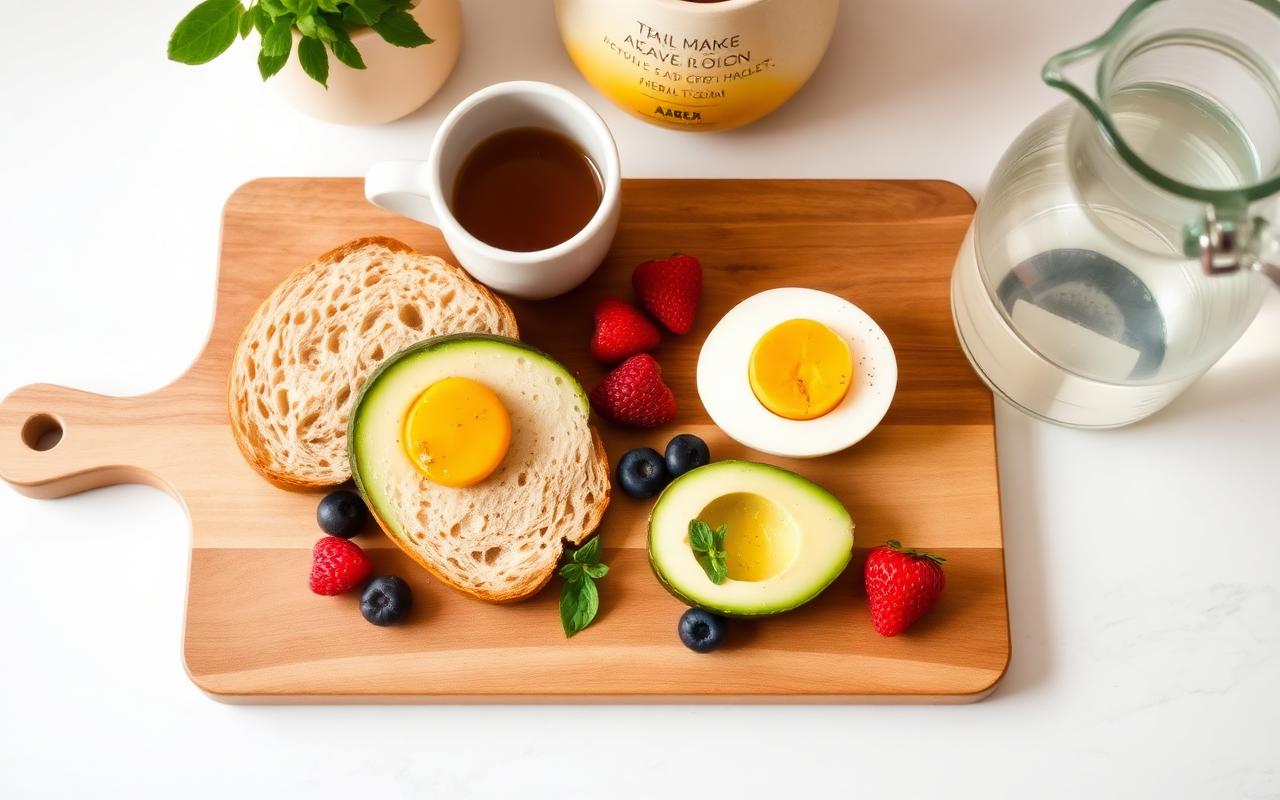
Food, Energy, and Everyday Wellness
Most days, energy isn't a mystery. It's the result of a few simple choices, repeated.
When people say they feel tired, foggy, or "off," they're often looking for a complicated answer. A new supplement. A new diet. A scan. Sometimes those have a place. But most days, the answer is much simpler — and much more honest.
Energy is mostly the result of how you eat, sleep, move, hydrate, and pace your day. Get those right most of the time, and your body does what it was designed to do. Get them wrong, and no product will fully make up for it.
Real food, most of the time
You don't need a perfect diet. You need a real one. That usually looks like:
- A protein source at most meals — eggs, meat, fish, beans, dairy, whatever fits your life.
- Real carbohydrates — fruit, vegetables, potatoes, rice, bread that's actually bread.
- Healthy fats — olive oil, butter, nuts, seeds, fish, avocado.
- Color and variety across the week, not engineered into every plate.
- Meals you actually sit down for, not just calories you absorbed standing up.
Real food does almost all of the work that fancy interventions are usually marketed for. It's not exciting, but it's true.
Hydration is not a vibe
Hydration is one of the most undersold habits in wellness. A body that's even mildly dehydrated will feel tired, slow, and irritable long before it feels thirsty.
A few simple anchors help:
- A glass of water before coffee.
- Water with each meal.
- A bottle within reach during your work day.
- More on warm days, after exercise, or when you've had alcohol the night before.
You don't need to chase a specific number. You need to make hydration the default and notice how much better the rest of your day functions when you do.
Rhythm matters more than perfection
The human body runs on rhythm. Light in the morning, food at consistent times, rest at the end of the day. When that rhythm gets scattered — late meals, late screens, irregular sleep — energy goes scattered with it.
A few practical anchors:
- A consistent wake time, even on weekends.
- Daylight early in the day, even briefly.
- Meals at reasonably similar times day to day.
- A wind-down hour before bed, not a scroll-into-sleep.
- A realistic bedtime that gives you a full night.
These aren't rules. They're rhythms. The body responds to them quickly.
Movement, gently and often
You don't need a complicated exercise plan to feel better. You need to move your body more often than you sit still.
A walk after a meal. A few minutes of stretching in the morning. Carrying your own groceries. Taking the stairs. Real, functional movement, several times a day, adds up to more than a single workout that you dread.
Find what you actually enjoy. Then do it more often than you don't.
Rest is not laziness
Rest is part of the work. Real rest — sleep, quiet time, a real day off — is what allows the rest of your routine to actually deliver energy.
A few honest distinctions:
- Sleep is not the same as lying down on your phone.
- Rest is not the same as avoidance.
- A break is not the same as a distraction.
- Quiet is not the same as boredom.
Treat rest as essential infrastructure for your life, not a reward you have to earn.
When energy stays low
If your energy stays low despite consistent food, water, movement, and rest, that's worth paying attention to. It doesn't mean something is wrong, but it does mean it's time to speak with a qualified healthcare provider rather than guessing your way through more products.
Lab work, medication review, hormone considerations, and other underlying factors all live in the medical lane. Wellness education sits alongside that, not in place of it.
Practical takeaways
- Eat real food, most of the time, at reasonably consistent times.
- Make hydration the default, not an afterthought.
- Anchor your day with light, rhythm, and a real bedtime.
- Move often, gently, in ways you enjoy.
- Take rest seriously — it's the part that makes the rest work.
- If something doesn't improve, involve a qualified provider.
A note on care
This article is wellness education and isn't medical advice. Persistent fatigue, unexplained symptoms, or worsening energy deserve attention from a qualified healthcare provider.
Continue learning
The rest of the Learn section walks through related pieces — herbs, supplements, the home wellness cabinet, and the foundations of practical wellness. Take it slowly. Build the habits before you buy the products.
Disclaimer: Your Wellness Broker provides educational information, wellness resources, and curated product access. We do not diagnose, prescribe, or provide medical treatment. Consult a qualified healthcare provider before starting new supplements.